This is the blog for GW students taking Human Evolutionary Genetics. This site is for posting interesting tidbits on: the patterns and processes of human genetic variation;human origins and migration; molecular adaptations to environment, lifestyle and disease; ancient and forensic DNA analyses; and genealogical reconstructions.

GWHEG figure

GWHEG figure

Sunday, February 6, 2022

Forensic Epigenetic Age Estimation and Beyond: Ethical and Legal Consideration

 https://www.sciencedirect.com/science/article/pii/S0168952518300611

This article discusses the method of analyzing DNA methylation biomarkers across the genome of an individual to estimate the age of a possible suspect, and the resulting privacy concerns such a practice raises. Forensic scientists would accomplish this by determining the degree of DNA methylation of a sample to ascertain their epigenetic age, which will function as a stand-in for their actual age. Having this ability can greatly benefit an investigation as law enforcement can narrow in further on a suspect; however, controversy lies surrounding the vast amount of personal information that can be obtained from analyzing an individual's DNA (i.e., genetic predispositions, lifestyle choices, etc.), which the article goes in depth on.


Monday, January 31, 2022

Alexa - Human Genome Project Pot-luck


 https://www.nature.com/articles/d41586-021-00328-0

The article I have chosen discusses the delay in great scientific advancements that the Human Genome Project originally sought to achieve due to the great ethical and legal challenges of genomic research. The article concentrates on three factors that have played a role in the setback of the Genome Project. The lack of 'free and open' access to genome data for privacy reasons of research participants, and the overall difficulty of managing the very genomic data sites that the data is being uploaded to (both in terms of how easily one is able to upload data but also how easily one is able to actually obtain data from genomic databases). And finally the lack of diversity of the genomic data being represented in the Human Genome Project, which stems from the long history of mistreatment many communities have experienced at the hands of science and research.

Thursday, January 21, 2021

Genetic variants from Neanderthals associated with increased (and decreased!?) risk of severe covid


Headlines like this one in the Daily Mail last week seem to contractive headlines from last summer... 

Both studies examined whether genetic variants shared with Neanderthals are associated with an increased risk of covid infection and severity.  And it seems some loci are... with others are associated with a decreased risk. These contradictory results aren't really that surprising as many different genetic factors (and environmental factors) are likely to influence risk.

Note: the study gaining press this month has not yet been published as a peer-reviewed article, but the early study was published in Nature last year.

-posted by Brenda Bradley

Tuesday, January 19, 2021

Dire Wolves were real -- and their genome has been sequenced!


An article in the New York Times last week summarizes results from the first genomic sequencing of dire wolves, recently published in Nature.

The most interesting findings are: (1) they are not as previously assumed a sister species of wolves, but instead represent a deep - now extinct - canid lineage; and (2) unlike other candids, they didn't seem to interbreed with other taxa... which might have contributed to their extinction?

No dragon genomes yet.

Thursday, April 30, 2020

The somatic mutation landscape of the human body

In this paper, scientists used transcriptome data from over 7,500 tissue samples and 36 tissue types to create a catalog of human somatic mutations. Their catalog contains over 280,000 mutations in total and illustrates a number of tissue-specific mutations.


"Tissues that have more mutations than expected from sequencing depth include those most often exposed to environmental mutagens or with a high cellular turnover like the skin, lung, blood, esophagus mucosa, spleen, liver, and small intestine (Fig. 2a). On the other end of the spectrum are those with low environmental exposure or low cellular turnover such as the brain, adrenal gland, prostate, and several types of muscle—heart, esophagus muscularis, and skeletal muscle."


They also found age was correlated with mutation levels across most tissues. Blood showed the highest association with age and sun-exposed skin had the most significant association with C>T mutations commonly associated with UV radiation. They also found higher levels of mutations in female breast tissue compared to men.

Importantly, they also observed that cancer mutations are enriched in non-diseased tissues, which leads them to say these genes are evolving under positive selection and these mutations increased cellular proliferation even before cancer is observed.

Zac Truesdell - Journal update - Genome Biology - 5
https://genomebiology.biomedcentral.com/articles/10.1186/s13059-019-1919-5

The Deep Genome Project

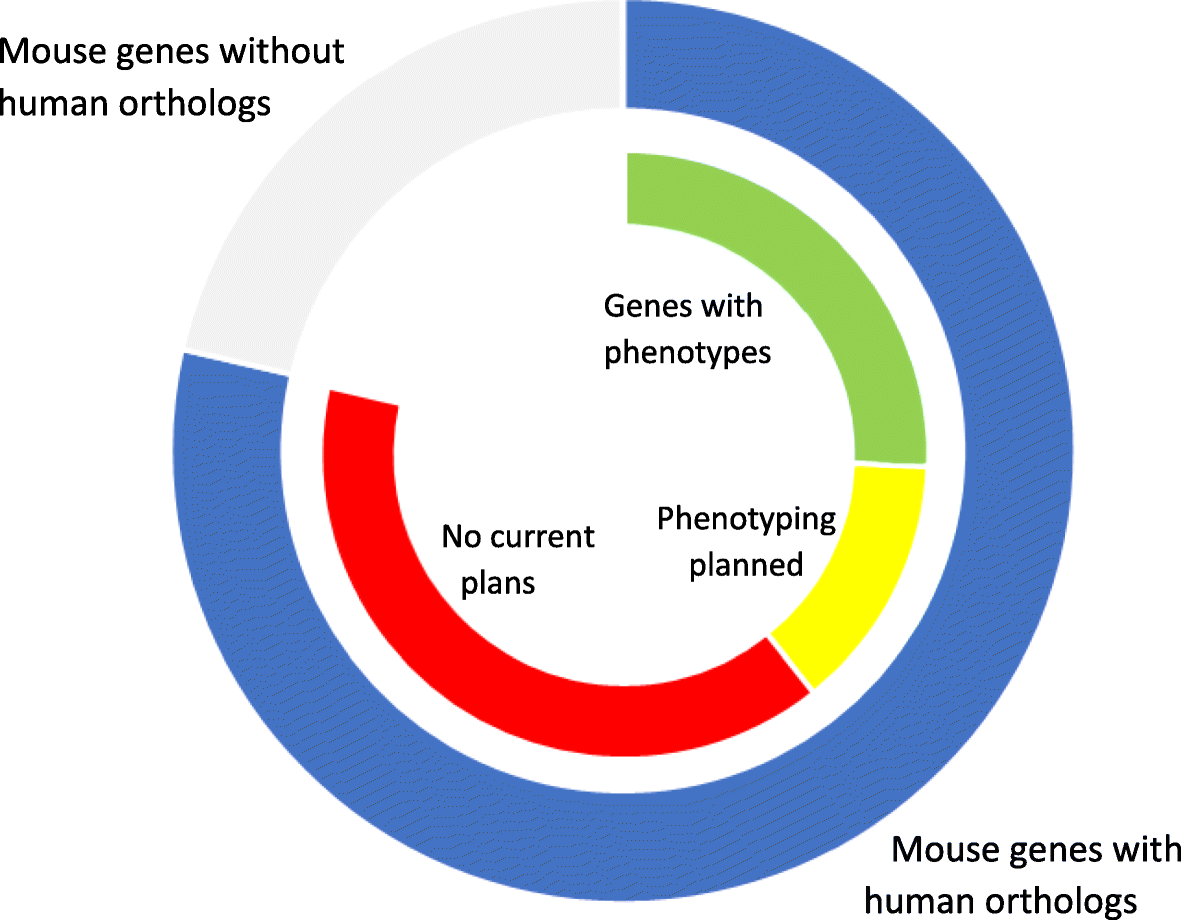
Mice are often used as an organism to study human disease, due to the high number of orthologous genes. Genomic studies over the decades have been able to computationally predict and annotate a large number of genes. However, according to the authors, "more than 75 to 80% of the computationally annotated ~ 20,000 genes in the human genome have not had variation in them tied to any specific phenotype."


To fill in this gap between genotype and phenotype, the authors call for the establishment of an ambitious "Deep Genome Project" to sort of be the spiritual successor to the Human Genome Project (which, as we learned in class, still left a lot of biological questions unanswered).

"The implementation of a Deep Genome Project—to deliver the functional biological annotation of all human orthologous genomic elements in mice—is an essential and executable strategy to transform our understanding of genetic and genomic variation in human health and disease that will catalyze delivery of the promised benefits of genomic medicine to children and adults around the world."


Zac Truesdell - Journal update - Genome Biology - 4
https://genomebiology.biomedcentral.com/articles/10.1186/s13059-020-1931-9

Longitudinal survey of microbiome associated with particulate matter in a megacity

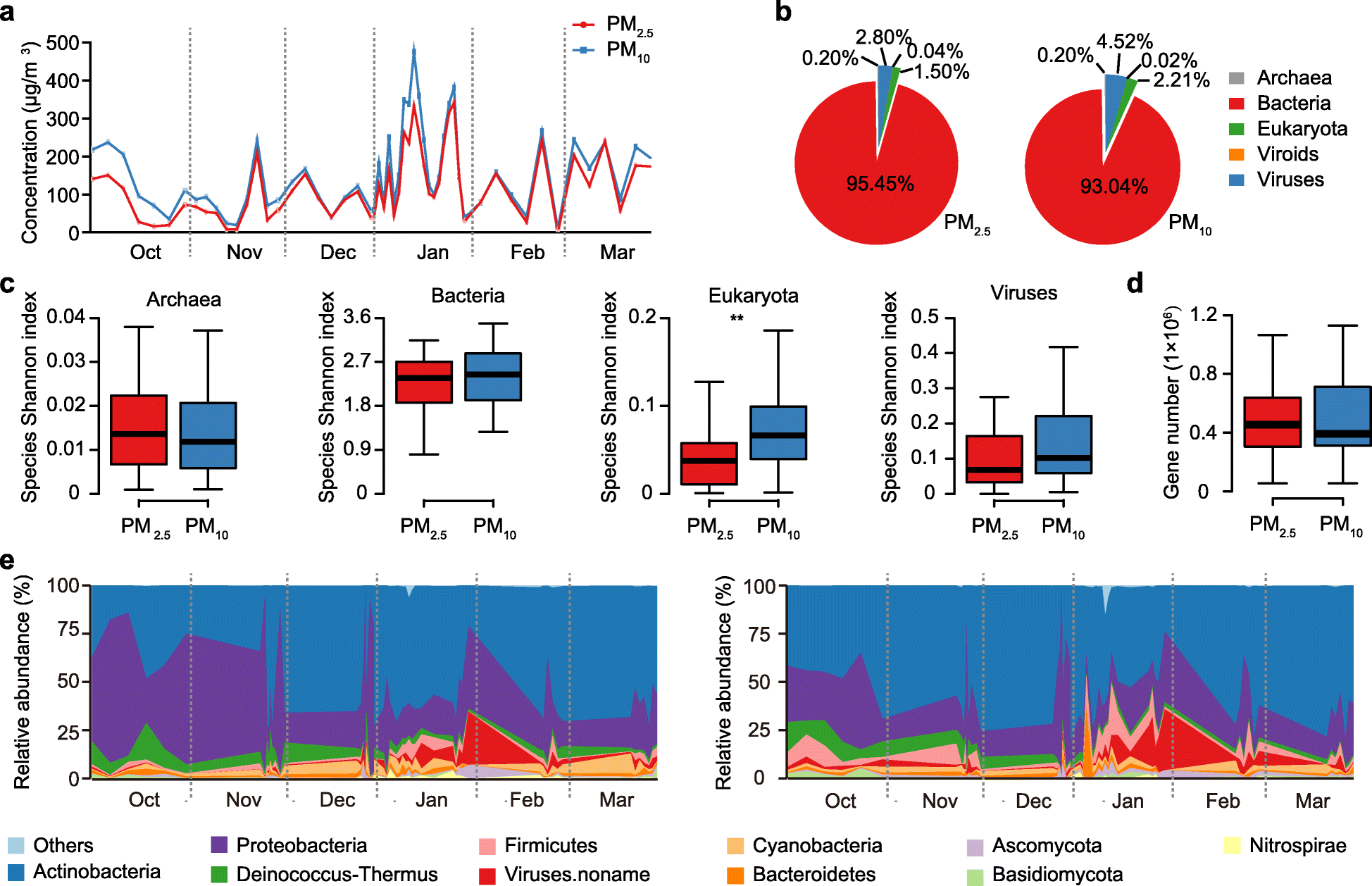
Smog and particulate matter in the air can have major health impacts. Often, we only think about how the chemical compounds of air pollution effect us, but particulate matter also serves as an environment for bacteria to thrive. This study examines the composition of the airborne bacterial community in Beijing over a 6 month period.


Overall, the bacterial community was relatively similar at both high and low particulate matter size. However, it seems that when the air is heavily polluted, larger particulate matter allows for higher levels of bacteria. If I'm understanding the paper correctly, basically the larger particulate matter sizes give more surface area for the bacteria, and also allow interactions between the bacteria species, such as horizontal gene transfer.

So, next time you take a breath of fresh city air, remember it has bacteria from human, dog, and mouse feces floating around in it.

Zac Truesdell - Journal update - Genome Biology - 3
https://genomebiology.biomedcentral.com/articles/10.1186/s13059-020-01964-x

Functional consequences of archaic introgression and their impact on fitness

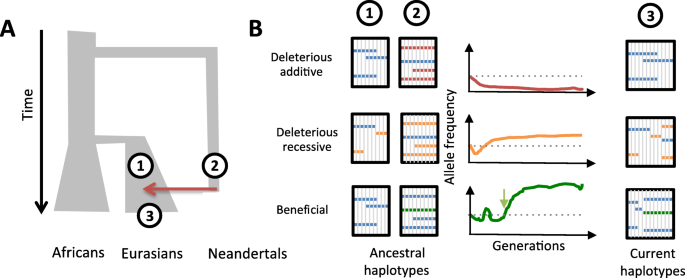
In this paper, the authors discuss the positive and negative effects on fitness caused by admixture with Neanderthals and Denisovans.

The lower frequency of archaic ancestry on the X chromosome and near testis-expressed genes suggests that first-generation hybrids had high levels of infertility. Additionally, loci associated with neurological and psychiatric disorders have higher levels of archaic haplotypes, suggesting deleterious effects of archaic admixture.

Some results of archaic admixture were positive--including genes associated with skin pigmentation and metabolism. These alleles would have allowed ancient humans to adapt to different climatic regions more rapidly. Some Neanderthal alleles related to immune function have also led to positive adaptations in humans.


Zac Truesdell - Journal update - Genome Biology - 2
https://genomebiology.biomedcentral.com/articles/10.1186/s13059-019-1920-z

CRISPRi-based radiation modifier screen identifies long non-coding RNA therapeutic targets in glioma

I think I forgot to post a potluck article during the CRISPR discussion week, so here is something interesting.

Long non-coding RNAs (lncRNA) have highly-specific expression in different cell types, giving them potential to be used for targeting specific types of cancer. However, very few lncRNAs have been studied or tested for these purposes yet.

Researchers in this paper used CRISPR interference to screen lncRNA loci on human glioblastoma cells. In class we talked about how CRISPR can be used to edit genomes, but it seems it can also be used to screen for gene function.

Through this method, they identified a number of lncRNA Glioma Radiation Sensitizers (lncGRS). Targeting of lncGRS inhibit growth of glioma cells (brain tumors), but not normal brain cells.


Zac Truesdell - CRISPR potluck/Journal update - Genome Biology

https://genomebiology.biomedcentral.com/articles/10.1186/s13059-020-01995-4

Journal Update 3: The Fabry disease-causing mutation, GLA IVS4+919G>A, originated in Mainland China more than 800 years ago


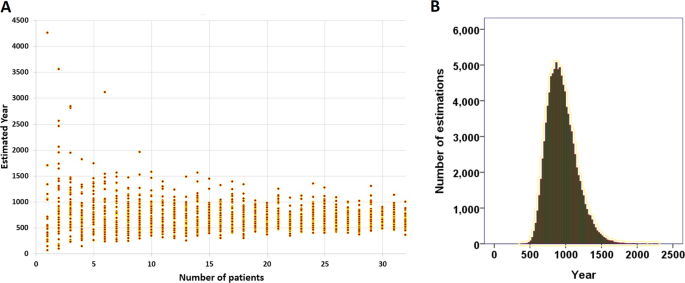
Throughout Southeast Asia, GLA IVS4+919G>A mutation is found in high prevalence in patients with hypertrophic cardiomyopathy. This x-linked mutation is the cause of Fabry disease. Liang and others sampled 33 male patients with the mutation from throughout Southeast Asia to identify its age and origins. The mutation was found to be associated with a specific haplotype, not shared by 15 healthy people. Based on this finding, they suggest that there was a single founder for the GLA IVS4 mutation. They estimated the age of the haplotype using linkage-disequilibrium decay theory and found an estimated date between 800 and a 1000 years ago.

Joshua Porter – Journal of Human Genetics Update 3

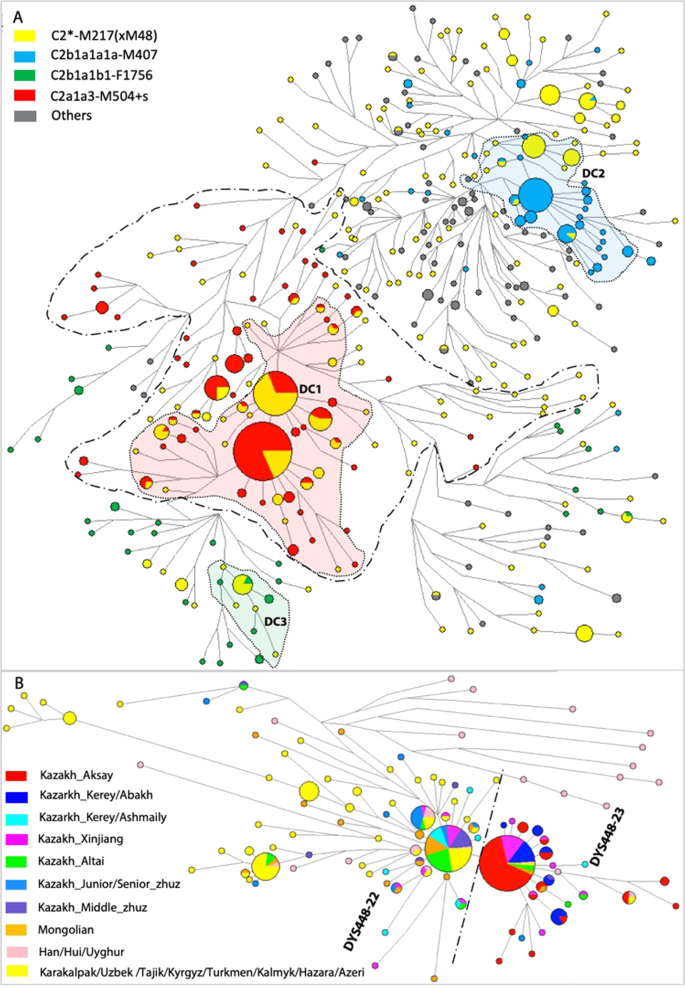
Journal Update 2: Y-chromosome evidence confirmed the Kerei-Abakh origin of Aksay Kazakhs


Genetic diversity outside of Europe has historically been neglected. As sequencing costs decrease, more and more researchers are sampling new populations outside of Europe. Recent work by Wen et al. tested 93 Aksay Kazakh men. These Kazakhs reside in China and are located along the former Silk Road. Their study focused on 106 bialllic markers and 17 short tandem repeats (STRs) of the Y-chromosome. Wen and others found low levels of haplogroup diversity, suggesting limited paternal admixture. They suggest this is related to a tendency to migrate in clans. They also theorize that the Aksay Kazakhs originate from the Kerei-Abakh clan of Kazakhstan and migrated between 1000-1400 years ago. Further studies of under sampled populations will allow researchers to develop higher resolution understandings of the past.

Joshua Porter – Journal of Human Genetics Update 2

Journal Update 4: An atlas of the protein-coding genes in the human, pig, and mouse brain

This paper aimed to create an atlas illustrating the spatial expression of transcripts and proteins across cells, tissues, and organs in the brain in humans, mice, and pigs. The rationale was that a broader comparative perspective would lead to better insight into neurobiology and associated diseases. 

As might be expected, the broader organizational patterns were conserved between the mammalian species. However, there was greater variability at the finer level, such as differences between neurotransmitter receptors. Specifically, human-mouse neurotransmitter receptors were significantly more different than human-pig, potentially illustrating that mice may not always be the best clinical test for human brain studies. This study's results also show support for linked function between many genes in microglia and immune cells. Additionally, genes previously thought to be exclusive to astrocytes were shown to be linked to skeletal muscle and liver development. This OPEN ACCESS data can allow other research to take advantage of this broadly sweeping study potentially leading to clinical and research related advances in a variety of disciplines. 


Sjöstedt E, Zhong W, Fagerberg L, Karlsson M, Mitsios N, Adori C, Oksvold P, Edfors F, Limiszewska A, Hikmet F, Huang J. An atlas of the protein-coding genes in the human, pig, and mouse brain. Science. 2020 Mar 6;367(6482).

Ryan McRae
Science

Journal Update 3: CRISPR-engineered T cells in patients with refractory cancer

CRISPR provides a powerful tool to modify genes to treat a variety of illnesses. This paper presents the first human trials to use CRISPR edited t-cells to fight cancer. Specifically, the team deleted two genes (TRAC, TRBC) to reduce misparing of t-cell receptors and to enhance the synthetic, cancer specific transgene (NY-ESO-1). The team also removed a third gene (PDCD1) to improve anti-tumor immunity. While the study was not aiming to treat cancer, it did show the viability for using this method to treat future patients. Using three patients with refractory cancer, they showed that modified t-cells persisted for up to nine months, providing the framework for potential future therapy. 
CRISPR RNA-targeted genetic screen could be used for COVID-19 therapy
Stadtmauer EA, Fraietta JA, Davis MM, Cohen AD, Weber KL, Lancaster E, Mangan PA, Kulikovskaya I, Gupta M, Chen F, Tian L. CRISPR-engineered T cells in patients with refractory cancer. Science. 2020 Feb 28;367(6481).

Ryan McRae
Science

Journal Update 2: Genetics of schizophrenia in the South African Xhosa

Schizophrenia is a neurodegenerative disease that often leads to whatever genetic mutations causing it not to passed on to new generations. Thus, it is highly genetically heterogeneous and caused by a variety of de novo mutations. This study aimed to fill a major knowledge gap in schizophrenia research by studying the Xhosa of South Africa, not because they have a high prevalence of schizophrenia, but because most studies have focused on European and Asian populations. Africa has the greatest genetic diversity among modern humans, so new insights could be particularly likely studying African populations. 

Using over 900 control and over 900 individuals with Schizophrenia, this study looked at how specific genes altered the synaptic pathways in different manners, leading to schizophrenia (image below)
Comparing results with a study of Swedish participants, they found that disruptions in synaptic signaling and synaptic plasticity in particular were critical to the development of schizophrenia. This is important as since the higher genetic diversity of African populations leads to more confident gene-phenotype matching, these results can be used to help diagnose and treat schizophrenia in other populations. 


Gulsuner S, Stein DJ, Susser ES, Sibeko G, Pretorius A, Walsh T, Majara L, Mndini MM, Mqulwana SG, Ntola OA, Casadei S. Genetics of schizophrenia in the South African Xhosa. Science. 2020 Jan 31;367(6477):569-73.

Ryan McRae
Science

Journal Update 1: Gene expression regulated by RNA stability


By now it is easily accepted and widely known that a variety of factors go into how the actual coding portion of the genome is transcripted and translated into a final protein end product. This article by Shoshani and Cleveland succinctly outlines how one such factor, mRNA stability, can contribute to gene expression. The autoregulation of tubulin is such that the production of more tubulin is regulated by the concentration of tubulin already present (hence, the autoregulation: tubulin regulates its own production). A portion of the tubulin protein (TTC5 in image) binds to a receptor site on the tRNA which causes the mRNA being translated to degrade, maintaining tubulin concentrations. The discovery of exactly how this mechanism functions can lead to new insights on cell biology and cell self-regulation.

Shoshani O, Cleveland DW. Gene expression regulated by RNA stability. Science. 2020 Jan 3;367(6473):29-.

Ryan McRae
Science

Genome-wide SNP typing of ancient DNA: Determination of hair and eye color of Bronze Age humans from their skeletal remains

Genome-wide SNP typing of ancient DNA: Determination of hair and eye color of Bronze Age humans from their skeletal remains 

This paper used SNP typing method to determine hair and eye color using ancient and degraded DNA. SNPs are good markers when studying phenotypes. This method would be beneficial in forensics, requiring only a minimal amount of DNA (ex. unknown persons involved in water or fire damage). This study looked at a prehistoric European population to determine hair and eye colors of 59 individuals. The remains date back to the Bronze Age (~3,000 years old), and extracted DNA from teeth, petrosal bone, femurs, and tibias with excellent preservation (even full STR typing). They were able to identify hair and eye color for 38 out of 59 individuals. While there were some issues (deviating results, allelic dropouts), this method shows that with some alternations, like increasing DNA in amplification, that this could be a beneficial method for studying phenotypic traits of an entire prehistoric population. 

I linked the article since the charts encompass several pages with the results of probable hair and eye colors.


Kailie Batsche

AJPA Journal Update May 2020
Authors: Nicole Schmidt, Katharina Schücker, Michael Klintschar, Susanne Hummel


Historical human remains identification through maternal and paternal genetic signatures in a founder population with extensive genealogical record

Historical human remains identification through maternal and paternal genetic signatures in a founder population with extensive genealogical record


This paper introduced a method of identifying human remains from unmarked graves in Québec. They used BALSAC database to look at lineage markers (aDNA and modern) to identify candidate sons that the remains could have originated. This method relied on (1) mtDNA and Y-chromosome haplotype comparison within BALSAC, (2) matching the haplotypes of contemporary individuals, and (3) males that share the same combination of Y-chromosome and mtDNA haplotypes as the exhumed individuals. They used the remains of six male individuals (teeth and petrous bones) to conduct this study. Out of 30, only six were able to provide enough DNA to replicate. This method is interesting, due to the use of genealogical data available. They also brought up how immigrant men were not able to be identified since the maternal signature was unknown. They were able to identify several candidates that matched one specimen, showing that this does have potential with more in-depth genealogical and genetic data down the road.


Kailie Batsche

AJPA Journal Update April 2020

Authors: Tommy Harding, Jean-Francois Lefebvre, Jean-Sébastien Bournival, Hélène Vézina, Emmanuel Milot, Claudia Moreau, Catherine Laprise, Ferran Casals, Isabelle Ribot, Damian Labuda


Wednesday, April 29, 2020

Journal Update 4: Contrasting genomic and phenotypic outcomes of hybridization between pairs of mimetic butterfly taxa across a suture zone


In this study, researchers use reduced-complexity genomic data to compare phenotypes, genetic structure and hybridization patterns of two mimetic butterfly species, Ithomia salapia and Oleria onega. Müllerian mimicry in butterflies describes a defense mechanism where multiple species converge locally on warning wing colour patterns and form mimicry “rings”. Since nonmimetic butterflies can go through more intense selective pressure due to predation risk, mimicry can be seen as a strong ecological driver of speciation and could potentially have triggered the diversification of large radiations of mimetic butterflies.
 

Using a genotyping by sequence approach to generate genetic data and analyzing over 30000 SNPs, the researchers finds that there are significant genotypic as well as phenotypic difference between the 2 species. For the 2 I. salapia lineages analyzed,  the results show that they seem to hybridize only rarely (shown as a in figure above). On the other hand, hybrids are not only more commonly found in O. onega, they are also genetically and phenotypically more variable (shown as b).  

Admixture mapping analysis shows that a small percentage of SNPs analyzed are associated with colour pattern variation in I. salapia (0.49%) and in O. onega ( 0.69%). However, these loci are normally represented among the candidate barrier loci. The researchers suggest that this result might imply other genetic mechanisms could play an important role in the hybridization and and variations observed. 


Gauthier, J., de Silva, D.L., Gompert, Z., Whibley, A., Houssin, C., Le Poul, Y., McClure, M., Lemaitre, C., Legeai, F., Mallet, J. and Elias, M., 2020. Contrasting genomic and phenotypic outcomes of hybridization between pairs of mimetic butterfly taxa across a suture zone. Molecular Ecology.

Molecular Ecology
Monica Cheung– April 29, 2020


Monday, April 27, 2020

Journal Update 3: Complex patterns of differentiation and gene flow underly the divergence of aposematic phenotypes in Oophaga poison frogs

O. anchicayensis (a), O. lehmanni (c), and a putative hybrid poison frog (b)

Hybridization between divergent populations or species can provide important insight to evolution and speciation of populations. In this paper, the researchers stress on the importance of understanding genetic diversity and biological speciation process, and how this knowledge is useful in developing genetic conservation strategies. Using trait data, reduced‐representation genome sequences, and statistical population genomics, Ebersbach et al. look at the evolutionary outcomes and conservation implications of hybridization between critically endangered O. lehmanni its sister taxon, O. anchicayensis. 

Population genomics analysis shows that hybridization between O. lehmanni and O. anchicayensis gave rise to a completely new species with different colour pattern (shown as b in image above). The results suggest that the novel colour pattern phenotypes follow a mosaic evolutionary pattern, inherited from O. lehmanni and O. anchicayensis. Results from historical demographic inferences also suggest that this observation is more likely to have originated from long-term isolation of populations rather than recent human interference to their habitats due to pet trades. The researchers conclude that this case study shows that divergence via admixture as an evolutionary process might be more common than previously thought in nature.

Current conservation efforts focus mostly on established species and lack guidelines from hybrid species. Since this research shows that hybridization can be more common than previously known, population genomics studies on hybrid species can help policy administrators to better understand hybrid species and develop more appropriate conservation strategies. 

Ebersbach, J., Posso‐Terranova, A., Bogdanowicz, S., Gómez‐Díaz, M., García‐González, M.X., Bolívar‐García, W. and Andrés, J., 2020. Complex patterns of differentiation and gene flow underly the divergence of aposematic phenotypes in Oophaga poison frogs. Molecular Ecology.

Molecular Ecology Journal Update
Monica Cheung– April 27, 2020

Wednesday, April 22, 2020

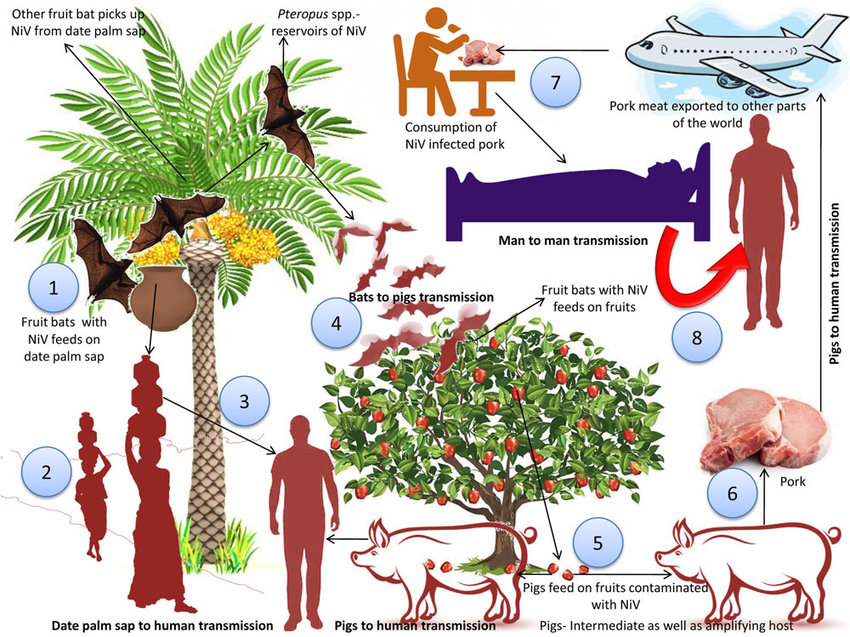
Journal Update 2: Population genetics of fruit bat reservoir informs the dynamics, distribution and diversity of Nipah virus


The recent outbreak of covid-19 calls major attention to the threats that zoonotic diseases can pose to human as a species. Out of many hosts and vectors for zoonoses, bats are exceptionally notorious for its ability to transmit diseases to human. This is mainly due to the bat's complex immune system, allowing the mammal to carry pathogens without being affected. This research by Olival et al. focuses on the distribution and mechanisms of Nipah virus, through studying the population genetics of fruit bats. 

Nipah virus is a fatal zoonotic RNA paramyxovirus (genus Henipavirus) with bats being its main reservoir host. Depending on the strain, it can have a fatality rate of 40-70% and it has been causing reported deaths continuously since 2001.The goal of this study is to gain better understanding on host population genetic structure in order to improve models of viral circulation dynamics. 

Using mitochondrial DNA and nuclear microsatellite markers, the authors were able to measure population structure, demographic history and phylogeography of P. medius in Bangladesh.They also performed a phylogeographic analysis on all known Nipah virus sequences and strains in order to investigate the virus’ evolutionary history. 


The results show that P. medius experienced both genetic and morphological differentiation between 2 populations in eastern Bangladesh, producing divergent strains of Nipah virus. The graph above shows that there are several clades of NiV identified in this study. “NiV clades I and II are cocirculating among several Pteropus species (and other bat genera) across South and South‐East Asia, suggesting that NiV is characterized by weak host specificity.” These two NiV clades are shared in P. lylei populations in central Thailand, while only clade II (NiV‐MY) has been found in P. vampyrus and P. hypomelanus. This discovery helps to identify the specific strains with their original hosts, and can be useful to public health measures as different genotypes of NiV can have different clinical presentations in humans and animals. 

Demographic analysis also shows that a large population of Pteropus species has existed in Bangladesh since the late Plesitocene, coinciding with the first hominin expansion. This suggests that Nipah virus spillover to human might have a longer history than previously expected. 

Olival, K.J., Latinne, A., Islam, A., Epstein, J.H., Hersch, R., Engstrand, R.C., Gurley, E.S., Amato, G., Luby, S.P. and Daszak, P., 2020. Population genetics of fruit bat reservoir informs the dynamics, distribution and diversity of Nipah virus. Molecular Ecology, 29(5), pp.970-985.

Molecular Ecology Journal Update
Monica Cheung– April 23, 2020